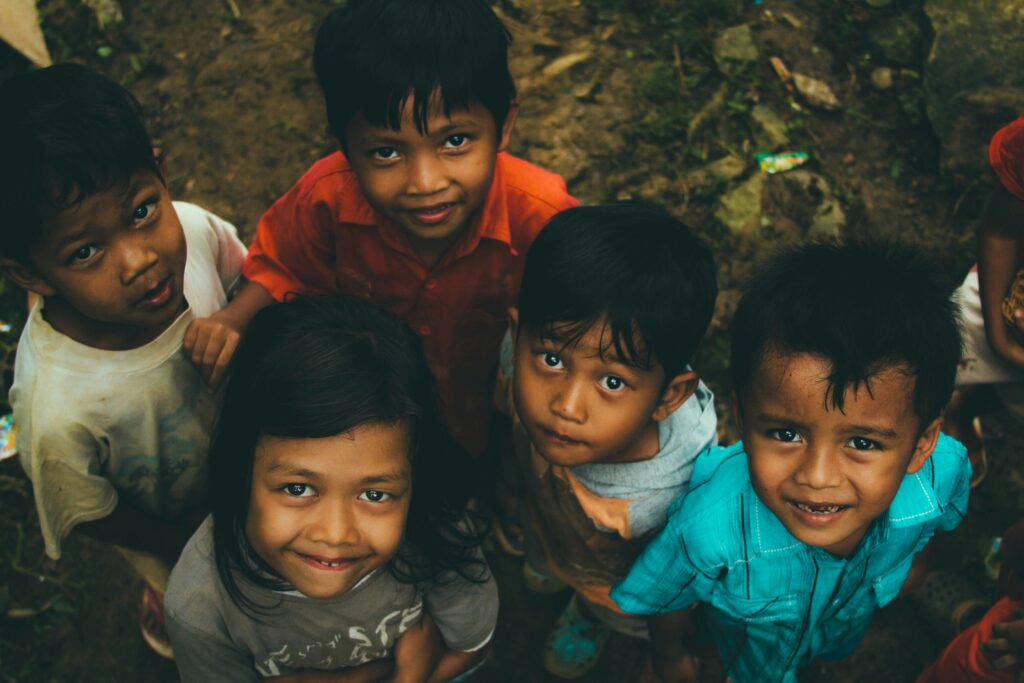
Social needs for non-governmental organizations (NGOs) refer to the essential requirements of individuals and communities that relate to well-being, inclusion, and quality of life, which NGOs aim to address through their programs and interventions. These needs often include access to education, healthcare, clean water, sanitation, housing, social protection, and support for vulnerable groups such as children, women, the elderly, and people with disabilities. NGOs work to identify and respond to these needs by designing community-based initiatives, advocating for social justice, and collaborating with governments and other stakeholders. By addressing social needs, NGOs play a vital role in reducing inequality, improving living standards, and promoting sustainable and inclusive development within society.